SCUOLA SECONDARIA

PRIMA MEDIA
SCIENZE
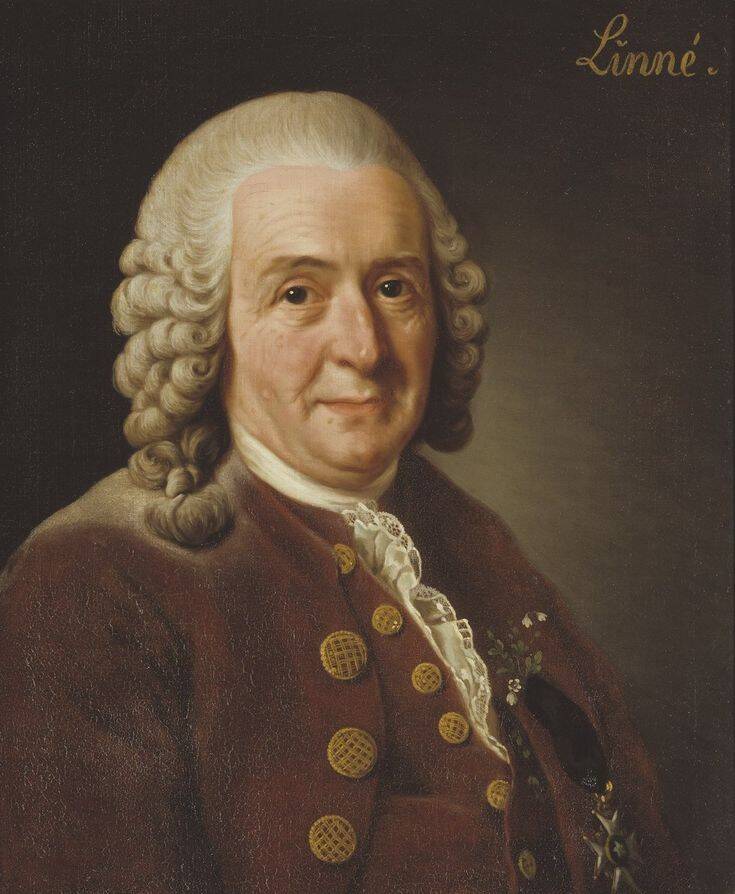
🧑💻Linneo
- classificazione Sistema Naturale
- classificazione come strumento per sostenere la comprensione delle numerose specie viventi/ campioni che gli arrivavano
- classificazione per tabelle
- Oggi un' associazione porta avanti il suo lavoro, archiviato on line
https://youtu.be/kVD6PP61A28?si=S8PTK2-CeoMoEC9l
Video
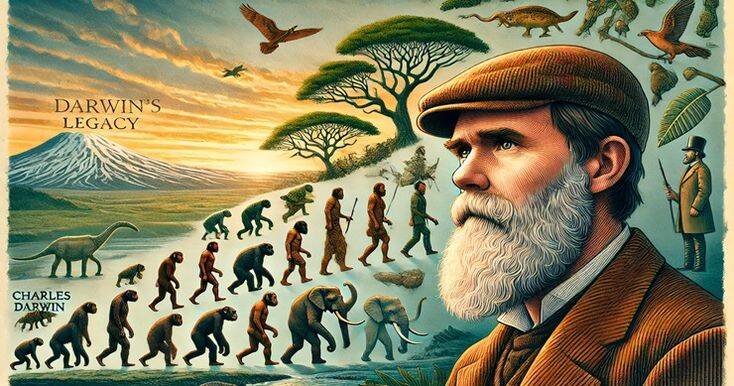
🧑💻Darwin
https://youtube.com/shorts/z6pHnHU7WgU?si=D2yAKeS4FKsDQ3jb
Darwin video in inglese
Concetti chiave
TEORIA DELL' EVOLUZIONE
"Origine delle specie" 1859
In questa opera si sostiene che le specie si sviluppano per selezione naturale, mediante un processo di
1) variazione
2) selezione
3) adattamento (ambientale)
I genitori passano i tratti più utili alle future generazioni, mentre quelli meno utili all'evoluzione vengono eliminati nel tempo.
Darwin sostiene che gli organismi sono inoltre interconnessi.
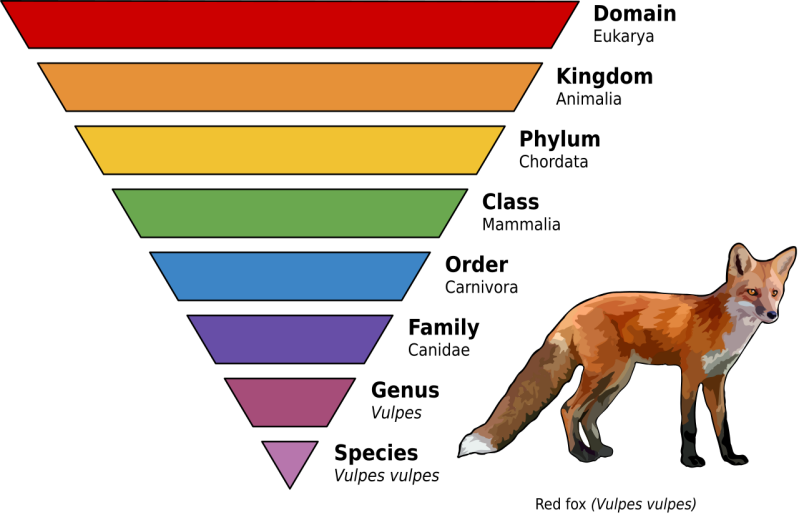
Classificazione - esseri viventi
1) Specie
2) Genere
3) Famiglia
4) Ordine
5) Classe
6) Tipo
7) Regno
8) Dominio
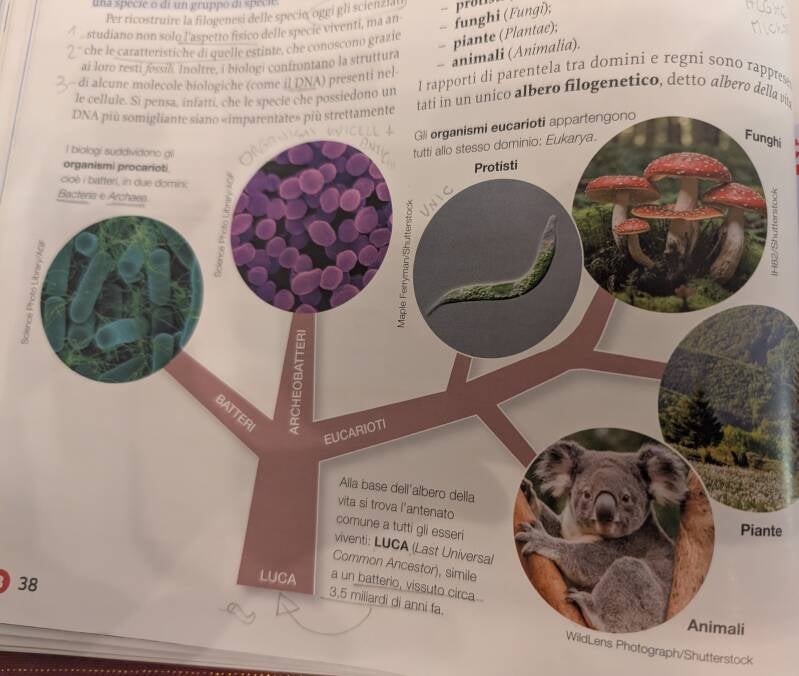
Capiamo meglio
🌳 ALBERO DELLA VITA
🔹 LUCA
LUCA = Ultimo Antenato Comune Universale
È l’antenato da cui derivano tutti gli esseri viventi.
Viveva circa 3,5 miliardi di anni fa.
Era un organismo molto semplice, unicellulare.👉 Tutti gli organismi di oggi hanno un antenato in comune.
🔹 DOMINIO
Il dominio è la categoria più grande della classificazione.
Ci sono 3 domini:
1️⃣ BATTERI
Unicellulari
Senza nucleo (procarioti)
Microscopici
Vivono ovunque
Alcuni utili, altri causano malattie
Parola chiave: semplici e senza nucleo
2️⃣ ARCHEOBATTERI (ARCHAEA)
Unicellulari
Senza nucleo (procarioti)
Diversi dai batteri nel DNA
Vivono spesso in ambienti estremi
Parola chiave: simili ai batteri ma geneticamente diversi
3️⃣ EUCARIOTI
Hanno cellule con nucleo
Possono essere unicellulari o pluricellulari
Sono più complessi
Parola chiave: con nucleo
🔹 REGNI DEGLI EUCARIOTI
Dentro gli Eucarioti troviamo:
🌿 PIANTE
Pluricellulari
Fanno fotosintesi
Hanno clorofilla
Producono il proprio nutrimento
🐨 ANIMALI
Pluricellulari
Non fanno fotosintesi
Si nutrono di altri organismi
Di solito si muovono
🍄 FUNGHI
Non fanno fotosintesi
Assorbono il nutrimento
Possono essere unicellulari o pluricellulari
🦠 PROTISTI
Per lo più unicellulari
Vivono nell’acqua
Alcuni fanno fotosintesi, altri no
Gruppo molto vario
🔑 Differenza fondamentale
Procarioti → senza nucleo (Batteri e Archea)
Eucarioti → con nucleo (Piante, Animali, Funghi, Protisti)
Terza media
The Suffragettes – Simple Version
In the past, women did not have the same rights as men.
They could not vote and often could not go to school.
They had to obey their father or husband.
They could not freely choose a job or their religion.
In Ancient Rome, a wife was considered her husband’s property.
Later, women slowly received some rights, like inheritance and divorce.
For many years, society was patriarchal. This means men had the power.
At the beginning of the 20th century, many women thought this was not fair.
They wanted change.
In the United States, women got the right to vote in 1920.
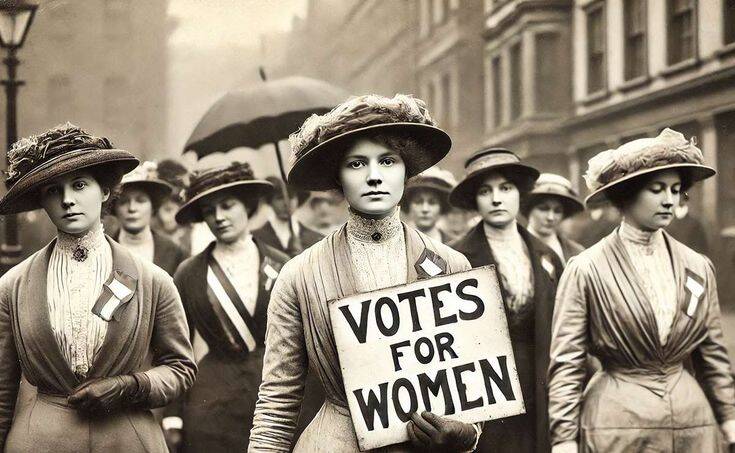
In 1903, in Britain, a group of women called the Suffragettes was created.
Their leader was Emmeline Pankhurst.
They fought for women’s rights, especially the right to vote.
At first, their protests were peaceful.
They wrote letters and sent petitions to Parliament.
Later, some women used stronger actions.
They chained themselves to fences and broke shop windows.
Many were arrested between 1908 and 1913.
In prison, they went on hunger strike.
During World War I, many women worked in factories.
In 1918, some British women could vote for the first time.
In 1928, all women in Britain were allowed to vote.
In the 1960s, a new feminist movement began.
Women wanted to be treated the same as men.
They asked for:
the same pay as men
equal rights in the law
the freedom to decide about their family and their body
In Great Britain, new laws were created to stop discrimination and to guarantee equal pay.
In 1975, important equality laws officially started.
After that, other European countries also began to remove discrimination against women.
Women started to work in more jobs.
More women went to university.
More women became doctors, lawyers, and politicians.
Today, in many countries, women have the same rights as men.
However, in some parts of the world, women still do not have equal rights.
Many women are still fighting for equality and respect.
The feminist movement continues today because equality is important for everyone.
Crea il tuo sito web con Webador